Antenatal
Urinary Tract Infection (UTI) in Pregnancy
August 22, 2026
|
162 views
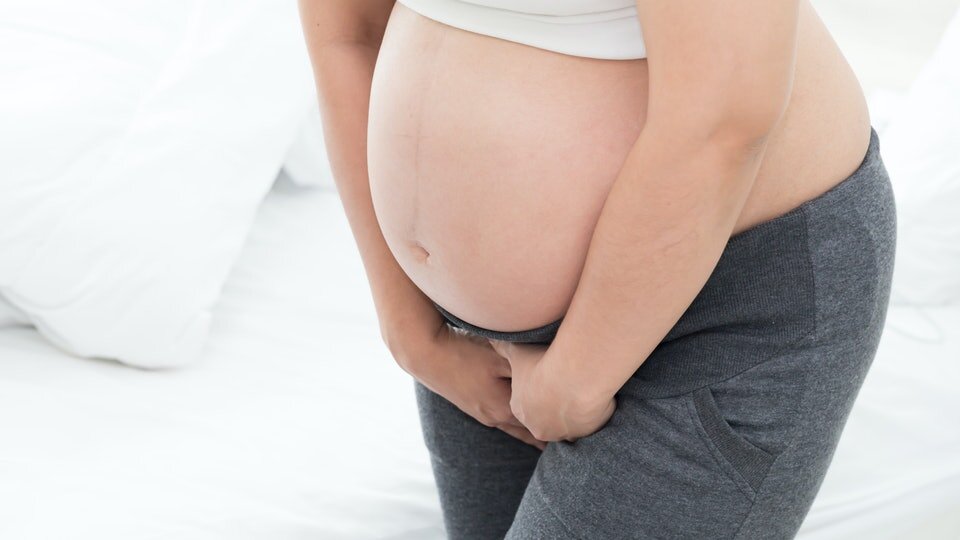
A urinary tract infection (UTI) is an infection that affects any part of the urinary system, including the bladder, urethra, ureters, or kidneys. UTIs are relatively common during pregnancy because pregnancy causes physical and hormonal changes that can slow the movement of urine and make it easier for bacteria to multiply.
UTIs during pregnancy should not be ignored. When diagnosed and treated appropriately, most UTIs can be managed successfully. However, an untreated infection can spread from the bladder to the kidneys and may cause serious complications for the mother and pregnancy. The American College of Obstetricians and Gynecologists (ACOG) estimates that UTIs affect about 8% of pregnancies.
This article explains UTI in pregnancy in a simple but detailed way, including its causes, types, symptoms, diagnosis, treatment, prevention, warning signs, practical tips, and frequently asked questions.
1. What Is a UTI?
A urinary tract infection occurs when bacteria enter and multiply in the urinary tract.
The urinary system consists of:
Kidneys, which produce urine.
Ureters, which carry urine from the kidneys to the bladder.
Bladder, which stores urine.
Urethra, through which urine leaves the body.
Most UTIs are caused by bacteria. Escherichia coli (E. coli) is the most common organism found in UTIs during pregnancy.
A UTI can affect the lower urinary tract, such as the bladder, or the upper urinary tract, particularly the kidneys.
2. Why Are UTIs More Common During Pregnancy?
Pregnancy produces several changes in the body that can increase the risk of urinary infection.
Hormonal changes
The hormone progesterone relaxes the muscles of the urinary tract. This can slow the movement of urine.
Growing uterus
As pregnancy progresses, the uterus becomes larger and can put pressure on the bladder and urinary tubes. This may make it more difficult for urine to flow normally.
Urinary stasis
When urine remains in the urinary tract for longer, bacteria have more opportunity to grow.
Changes in the urinary tract
Pregnancy can cause dilation of the ureters and other changes that contribute to urinary stasis and bacterial growth.
3. Types of UTI in Pregnancy
UTIs during pregnancy can occur in several forms.
A. Asymptomatic Bacteriuria
This means bacteria are present in the urine, but the pregnant woman has no symptoms.
This is particularly important during pregnancy because a person may feel completely well while bacteria are present in the urinary tract.
For this reason, ACOG recommends screening for asymptomatic bacteriuria with a urine culture early in prenatal care.
B. Acute Cystitis
Acute cystitis is an infection of the bladder.
Common symptoms include:
Burning or pain while urinating
Frequent urination
An urgent need to urinate
Lower abdominal discomfort
Blood in the urine
Passing small amounts of urine frequently
Because frequent urination is also common during pregnancy, it can sometimes be difficult to distinguish normal pregnancy changes from a UTI. This is why appropriate urine testing is important.
C. Pyelonephritis
Pyelonephritis is a kidney infection and is more serious than a bladder infection.
It may cause:
Fever
Chills
Back or side pain
Nausea
Vomiting
Painful urination
Feeling very weak or unwell
Pyelonephritis during pregnancy can lead to serious complications, including sepsis, respiratory complications, and preterm labor. ACOG recommends initial inpatient management for pyelonephritis during pregnancy.
4. Causes of UTI in Pregnancy
The main cause is bacterial infection.
The bacteria may enter through the urethra and travel upward into the bladder.
Common contributing factors include:
Pregnancy-related urinary changes
Incomplete emptying of the bladder
Previous UTIs
Poor hydration
Holding urine for long periods
Sexual activity
Diabetes
Certain urinary tract abnormalities
Kidney or bladder problems
Importantly, having a UTI does not necessarily mean that someone has poor personal hygiene. UTIs can occur even when a person maintains good hygiene.
5. Signs and Symptoms of UTI in Pregnancy
Symptoms depend on the location and severity of the infection.
Common symptoms include:
Burning sensation when urinating
Frequent urination
Urgency to urinate
Passing only a small amount of urine
Lower abdominal or pelvic discomfort
Cloudy urine
Strong-smelling urine
Blood in urine
Pain during urination
Some pregnant women with bacteriuria may have no symptoms at all, which is why prenatal screening is important.
6. Warning Signs of a Kidney Infection
A pregnant woman should seek urgent medical attention if UTI symptoms are accompanied by:
Fever of 38°C (100.4°F) or higher
Chills or shaking
Pain in the back or side
Severe weakness
Nausea or vomiting
Feeling faint or seriously unwell
Difficulty breathing
Contractions or other concerning pregnancy symptoms
Fever together with urinary findings and flank or back pain can indicate pyelonephritis.
A kidney infection during pregnancy requires prompt treatment.
7. How Is UTI Diagnosed During Pregnancy?
A healthcare professional may use several methods.
Urine test
A urine sample may be tested for signs of infection.
A urinalysis may look for:
White blood cells
Leukocyte esterase
Nitrites
Blood
Other abnormalities
Urine culture
A urine culture identifies the bacteria responsible for the infection and helps determine which antibiotics are likely to work.
ACOG recommends urine culture when acute cystitis is suspected and recommends screening for asymptomatic bacteriuria with a urine culture early in prenatal care.
Why is a culture important?
Different bacteria can respond differently to antibiotics. A culture allows treatment to be adjusted when necessary according to the organism and its antibiotic sensitivity.
8. Treatment of UTI During Pregnancy
UTIs during pregnancy are generally treated with antibiotics that are appropriate for pregnancy.
The exact medication depends on:
The type of infection
The bacteria causing it
Urine culture results
Antibiotic resistance
Stage of pregnancy
Allergies
Other medical conditions
For acute cystitis and asymptomatic bacteriuria, ACOG generally recommends a 5–7-day course of targeted antibiotics, with some exceptions such as fosfomycin, which may be used as a single dose in appropriate circumstances.
Important
Do not take leftover antibiotics or antibiotics prescribed for someone else.
Do not stop your prescribed antibiotic simply because you feel better. Complete treatment according to your healthcare professional's instructions.
9. Antibiotics and Pregnancy
Many antibiotics can be used safely during pregnancy when appropriately selected.
Commonly considered options may include certain:
Beta-lactam antibiotics
Nitrofurantoin
Fosfomycin
Other antibiotics selected according to culture and sensitivity
However, the safest antibiotic depends on the individual situation.
Some medicines may not be appropriate for particular patients or particular stages of pregnancy. For example, nitrofurantoin should be avoided in people with glucose-6-phosphate dehydrogenase (G6PD) deficiency, and medication choices should always be made by a qualified healthcare professional.
Never self-medicate during pregnancy.
10. What Happens if a UTI Is Not Treated?
An untreated UTI can progress from the bladder to the kidneys.
Possible complications include:
Kidney infection
Fever and severe illness
Sepsis
Preterm contractions or preterm birth
Low birth weight
Hospitalization
Serious maternal complications
ACOG notes that UTIs in pregnancy are associated with adverse pregnancy outcomes, including preterm delivery and low birth weight.
This is why early diagnosis and appropriate treatment are important.
11. UTI and the Baby
A simple, promptly treated bladder infection usually does not mean that the baby will be harmed.
The greater concern is an infection that is untreated, severe, or spreads to the kidneys.
For this reason, pregnant women should report symptoms promptly rather than waiting for the infection to disappear on its own.
12. How to Prevent UTI During Pregnancy
There are several practical measures that may help reduce the risk.
Drink enough fluids
Adequate hydration supports normal urine production and helps you urinate regularly.
Do not hold urine
Go to the bathroom when you feel the need to urinate.
Empty the bladder completely
Take enough time when urinating rather than rushing.
Wipe from front to back
After using the toilet, wiping from front to back can help reduce the movement of bacteria toward the urethra.
Urinate after sexual intercourse
This may help flush bacteria from the urinary tract.
Keep the genital area clean
Use gentle hygiene and avoid harsh products that may cause irritation.
Avoid unnecessary vaginal products
Strongly scented sprays, douches, and irritating products can disturb the normal genital environment.
13. Diet and UTI in Pregnancy
There is no special food that can cure a UTI once an infection has developed.
A healthy pregnancy diet should include:
Fruits
Vegetables
Whole grains
Protein-rich foods
Adequate fluids
Other foods recommended by your antenatal care provider
Cranberry products are sometimes promoted for UTI prevention, but they should not be considered a treatment for an existing infection.
If you have symptoms of UTI, seek medical evaluation rather than relying on home remedies.
14. Can You Treat a UTI Naturally During Pregnancy?
Home measures can support general comfort and hydration, but they should not replace medical treatment when a bacterial UTI is diagnosed or strongly suspected.
Drinking water, resting, and avoiding bladder irritants may help you feel more comfortable, but they do not reliably eliminate a bacterial infection.
Pregnancy is not the right time to experiment with herbal remedies or unprescribed medications because some substances may not be safe during pregnancy.
15. Recurrent UTI in Pregnancy
Some women experience more than one UTI during pregnancy.
ACOG defines recurrent UTI in pregnancy as two or more UTIs diagnosed during pregnancy.
If UTIs keep returning, the healthcare professional may consider:
Repeat urine cultures
Reviewing previous culture results
Checking for antibiotic resistance
Looking for contributing factors
Preventive antibiotic treatment in selected cases
For recurrent infections, treatment and prevention should be individualized.
16. Importance of Antenatal Care
Regular antenatal visits are important because some urinary infections may occur without symptoms.
Early pregnancy care commonly includes urine testing, and ACOG recommends screening for asymptomatic bacteriuria with a urine culture early in prenatal care.
Do not skip antenatal appointments simply because you feel well.
Practical Tips for Pregnant Women
Drink fluids regularly unless your healthcare provider has advised fluid restriction.
Do not hold urine for long periods.
Tell your healthcare provider if you develop burning or pain when urinating.
Do not self-prescribe antibiotics.
Take prescribed antibiotics exactly as directed.
Keep all antenatal appointments.
Ask about your urine culture results if a UTI is diagnosed.
Seek urgent care if you develop fever, chills, vomiting, or back/side pain.
Do not assume that frequent urination is always a normal pregnancy symptom.
If UTIs keep returning, discuss prevention with your healthcare provider.
Avoid using herbal mixtures or over-the-counter medicines without checking that they are appropriate during pregnancy.
Frequently Asked Questions (FAQs)
1. Is UTI common during pregnancy?
Yes. UTIs are among the more common infections occurring during pregnancy. ACOG estimates that they affect approximately 8% of pregnancies.
2. Can I have a UTI without symptoms?
Yes. This is called asymptomatic bacteriuria. It is one reason urine culture screening is important during pregnancy.
3. Is frequent urination during pregnancy always a UTI?
No. Frequent urination is common during pregnancy because of hormonal and physical changes. However, frequent urination accompanied by burning, pain, urgency, blood in the urine, or other symptoms should be evaluated.
4. Can a UTI hurt my baby?
A properly diagnosed and treated UTI is generally manageable. The greater concern is untreated or severe infection, particularly kidney infection, which can be associated with pregnancy complications.
5. Can I take antibiotics while pregnant?
Some antibiotics are appropriate during pregnancy, but the choice depends on the infection, bacteria, pregnancy stage, allergies, and other factors. Only take antibiotics recommended by your healthcare professional.
6. Can drinking plenty of water cure a UTI?
Water is important for hydration, but it should not be relied upon to cure a bacterial UTI. Medical assessment and appropriate treatment are important during pregnancy.
7. What does UTI pain feel like?
A bladder infection may cause burning during urination, lower abdominal discomfort, urgency, or frequent urination. Kidney infection may cause pain in the back or side and may be accompanied by fever, chills, nausea, or vomiting.
8. When should I seek urgent medical care?
Seek urgent medical attention if you have a fever of 38°C (100.4°F) or higher, chills, back or side pain, vomiting, difficulty breathing, severe weakness, or other symptoms suggesting that the infection may have reached the kidneys.
9. Can UTI cause premature labor?
Severe urinary infections, particularly kidney infections, have been associated with preterm contractions and preterm birth. Prompt diagnosis and treatment are therefore important.
10. Can I prevent every UTI during pregnancy?
No prevention method guarantees that you will never develop a UTI. However, good hydration, regular urination, appropriate genital hygiene, and proper antenatal care can help reduce risks and allow infections to be identified early.
11. Should I stop my antibiotic when my symptoms disappear?
Do not stop or change prescribed treatment without speaking to your healthcare professional. Follow the prescribed course and instructions.
12. Can UTI come back during pregnancy?
Yes. Some pregnant women experience recurrent UTIs. If this happens, your healthcare professional may recommend additional cultures, review previous treatment, or consider preventive treatment depending on your individual circumstances.
When to Remember the 3 Important Signs
A simple way to remember when a UTI may require urgent attention is:
Burning + urinary symptoms: Contact your healthcare provider for assessment.
Fever + urinary symptoms: Seek prompt medical attention.
Fever + back/side pain + feeling very unwell: Seek urgent medical care because this may indicate a kidney infection.
Conclusion
UTI in pregnancy is common but should be taken seriously. Pregnancy itself can increase the risk of infection because hormonal and physical changes affect the urinary tract. Some infections cause obvious symptoms, while others may have no symptoms at all.
Early antenatal screening, prompt investigation of urinary symptoms, appropriate antibiotic treatment, and good preventive habits can help protect the health of both mother and baby.
The most important point is not to self-treat or ignore symptoms during pregnancy. If you experience burning during urination, unusual urinary frequency with discomfort, blood in the urine, fever, chills, or back/side pain, contact a qualified healthcare professional for appropriate evaluation and treatment.
This information is for educational purposes and does not replace individualized medical care. Antibiotic choice and treatment should be determined by a qualified healthcare professional, particularly during pregnancy.
Reference: American College of Obstetricians and Gynecologists (ACOG), Urinary Tract Infections in Pregnant Individuals.
.jpg)