Antenatal
Haemorrhage in Pregnancy and Childbirth
October 03, 2026
|
70 views
.jpg)
Introduction
Haemorrhage means heavy or excessive bleeding. During pregnancy, labour, or after delivery, severe bleeding is an emergency that requires immediate medical attention. Postpartum haemorrhage is one of the major causes of maternal illness and death worldwide.
Types of Haemorrhage
Haemorrhage in pregnancy can occur:
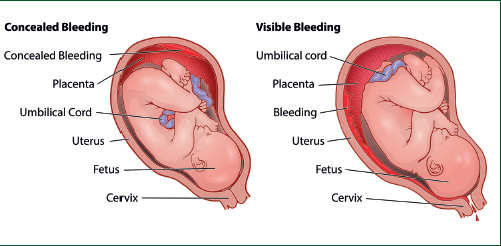
Before delivery: bleeding during pregnancy.
During labour: bleeding while the woman is in labour.
After delivery: postpartum haemorrhage, which occurs after childbirth.
Common Causes
Major causes of heavy bleeding after childbirth include:
Uterine atony: the uterus does not contract properly after delivery.
Retained placenta: part or all of the placenta remains inside the uterus.
Tears: injuries to the vagina, cervix, or uterus.
Blood-clotting problems.
Uterine atony is the most common cause of postpartum haemorrhage.
Signs and Symptoms
A woman experiencing serious haemorrhage may have:
Heavy or continuous vaginal bleeding
Large blood clots
Dizziness or weakness
Pale, cold, or clammy skin
Fast heartbeat
Low blood pressure
Fainting or confusion
Severe bleeding can lead to shock, which is life-threatening if not treated quickly.
Management
Treatment depends on the cause and severity of the bleeding. It may include:
Massaging the uterus
Medicines that help the uterus contract
Tranexamic acid to reduce bleeding
Intravenous fluids
Blood transfusion when necessary
Removing retained placental tissue
Repairing tears
Surgery if bleeding cannot be controlled
WHO recommends rapid assessment and treatment using a combination of interventions when postpartum haemorrhage is diagnosed.
Prevention
The risk can be reduced through:
Good antenatal care
Treating anaemia during pregnancy
Skilled care during labour and delivery
Proper monitoring after delivery
Appropriate use of medicines that help the uterus contract after birth
Tips
Take heavy bleeding after delivery seriously.
Seek emergency care if bleeding is excessive or accompanied by dizziness, fainting, weakness, or a fast heartbeat.
Pregnant women should attend antenatal appointments regularly.
Anaemia should be identified and treated during pregnancy.
Do not wait for severe symptoms before seeking help.
FAQs
1. Is some bleeding normal after delivery?
Yes. Vaginal bleeding called lochia is normal after childbirth, but it should gradually decrease. Very heavy or suddenly increasing bleeding needs urgent assessment.
2. Can haemorrhage happen after a normal delivery?
Yes. Heavy bleeding can occur after both vaginal and Caesarean deliveries.
3. Is postpartum haemorrhage dangerous?
Yes. Severe bleeding can cause shock and can become life-threatening within a short time without treatment.
4. What should I do if a woman is bleeding heavily after delivery?
Treat it as an emergency and seek immediate medical attention.
Conclusion
Haemorrhage during pregnancy or after childbirth is a serious condition. Early recognition, rapid treatment, skilled maternity care, and prevention of anaemia can greatly improve outcomes for the mother.