Antenatal
Antepartum Haemorrhage and Placental Disorders During Pregnancy
October 10, 2026
|
36 views
1. Introduction
Antepartum haemorrhage (APH) is bleeding from the genital tract after 24 weeks of pregnancy but before the baby is born. It can be dangerous to both the mother and baby and requires prompt medical assessment. Two major causes are placenta praevia and placental abruption.
2. Causes of Antepartum Haemorrhage
Placenta praevia: The placenta lies low in the uterus and partly or completely covers the cervix.
Placental abruption: The placenta separates from the wall of the uterus before the baby is born.
Vasa praevia: Fetal blood vessels lie near or across the cervix and may rupture.
Other causes: Cervical infection, injury, or changes in the cervix.
3. Signs and Symptoms
Symptoms may include:
Vaginal bleeding, with or without pain
Abdominal or back pain
A tender or hard uterus
Frequent contractions
Dizziness, weakness, or fainting
Reduced baby movements
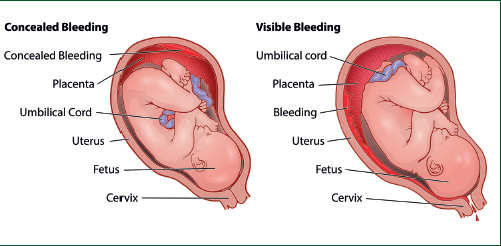
Important: Placental abruption may cause severe pain even when little or no vaginal bleeding is visible.
4. Placental Disorders During Pregnancy
A. Placenta Praevia
This occurs when the placenta attaches low in the uterus, near or over the cervix.
Signs: Often painless, bright-red vaginal bleeding in the second half of pregnancy.
Management: Ultrasound monitoring, hospital observation when necessary, and Caesarean birth if the placenta continues to cover or obstruct the cervix.
B. Placental Abruption
This occurs when the placenta separates from the uterine wall before delivery.
Signs: Abdominal pain, vaginal bleeding, back pain, frequent contractions, or a tender uterus.
Management: Urgent assessment of the mother and baby. Severe cases may require immediate delivery and blood transfusion.
C. Placenta Accreta
This occurs when the placenta attaches too deeply to the uterine wall, making it difficult to separate after birth.
Risk factors: Previous Caesarean birth, uterine surgery, and placenta praevia.
Management: Careful planning by a specialist maternity team because severe bleeding may occur during delivery.
5. Diagnosis
Doctors may use:
Ultrasound scan to locate the placenta
Blood tests to check haemoglobin and blood group
Monitoring of the baby's heartbeat
Maternal blood pressure, pulse, and general assessment
A vaginal examination with fingers should not be performed until placenta praevia has been excluded by the healthcare team.
6. Management and Nursing Care
Management depends on the cause, amount of bleeding, and gestational age.
Assess the mother's condition and monitor vital signs.
Observe and document the amount of bleeding.
Monitor the baby's heartbeat when appropriate.
Establish intravenous access and prepare blood if needed.
Administer prescribed treatment.
Prepare for urgent delivery if the mother or baby is in danger.
Provide reassurance and explain care to the woman and her family.
7. Prevention and Tips
Attend antenatal appointments and recommended ultrasound scans.
Inform your healthcare provider about previous Caesarean births or uterine surgery.
Avoid smoking.
Seek immediate medical attention for any vaginal bleeding during pregnancy.
Do not self-medicate or insert anything into the vagina when bleeding occurs.
8. FAQs
1. Is bleeding during pregnancy always dangerous?
Not always, but it should be assessed promptly because some causes are serious.
2. What is the difference between placenta praevia and placental abruption?
Placenta praevia means the placenta is low and near or over the cervix. Placental abruption means the placenta separates from the uterine wall too early.
3. Can a woman with placenta praevia deliver normally?
It depends on the placenta's position. If it covers the cervix or remains too close to it, Caesarean birth is usually recommended.
4. When should a pregnant woman seek emergency care?
Seek emergency care for any vaginal bleeding, especially heavy bleeding, severe abdominal pain, dizziness, fainting, or reduced baby movements.
Conclusion
Antepartum haemorrhage and placental disorders can threaten the lives of both mother and baby. Early diagnosis, regular antenatal care, close monitoring, and timely treatment help reduce complications.
Remember: If bleeding occurs during pregnancy, seek urgent medical assessment rather than waiting for it to stop.
.jpg)