Antenatal
Sex and Exercise During Pregnancy: A Deeper Dive
March 06, 2026
|
139 views
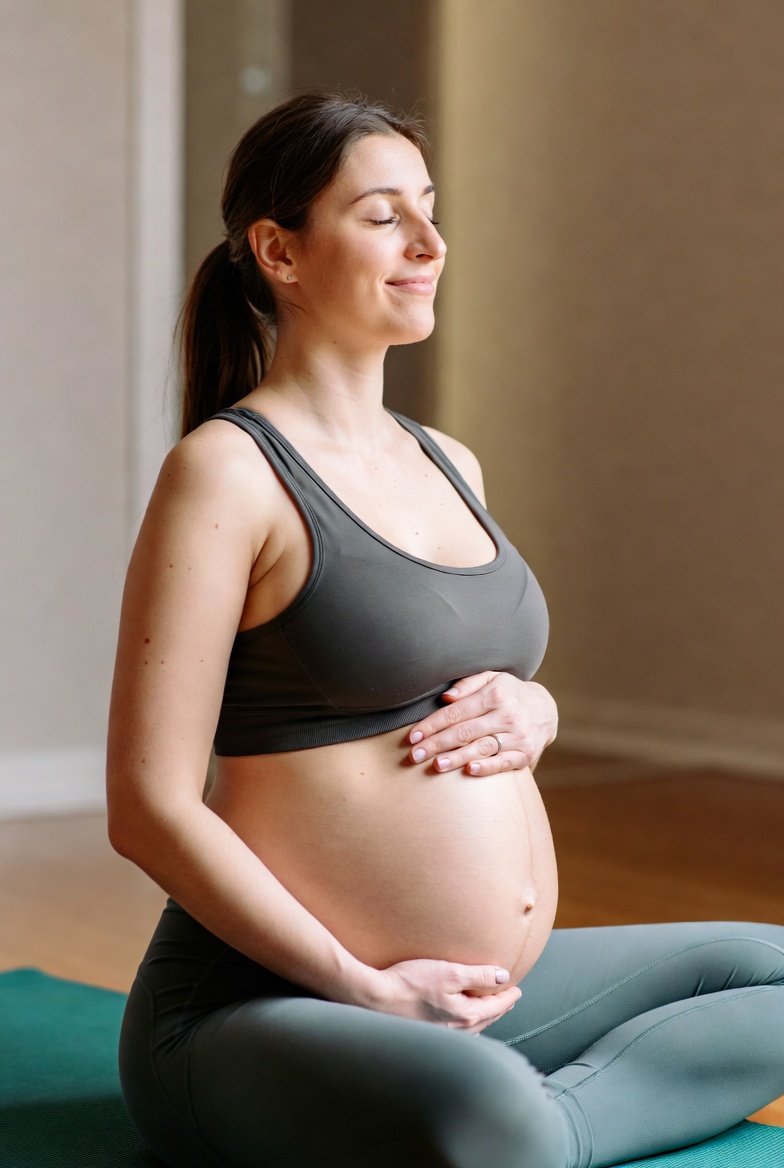
Pregnancy is a transformative time filled with physical, emotional, and hormonal shifts. Many expectant parents wonder about the safety and benefits of sex and exercise, and how these activities interact. According to the latest guidelines from the American College of Obstetricians and Gynecologists (ACOG) and the CDC (as of recent updates through 2025), both are not only safe but often recommended for women with uncomplicated, healthy pregnancies. Always get personalized clearance from your obstetrician or midwife first, especially if you have any complications.
Sex During Pregnancy: In-Depth Look
Sexual activity—including intercourse, oral sex, manual stimulation, and use of toys—is generally safe throughout pregnancy for low-risk cases. The fetus remains protected by the amniotic sac, strong uterine walls, and the mucus plug at the cervix. Penetration or orgasm does not reach or harm the baby.
Trimester-Specific Changes and Adjustments:
First Trimester: Fatigue, nausea, and breast tenderness often lower libido. Some women experience increased sensitivity due to heightened blood flow to the genitals.
Second Trimester ("golden period"): Many report a surge in desire thanks to better energy, reduced nausea, and increased vaginal lubrication/blood flow. This is often the most enjoyable phase sexually.
Third Trimester: A growing belly can make certain positions uncomfortable. Libido may dip due to fatigue, back pain, or frequent urination, but intimacy remains possible and beneficial.
Safe and Comfortable Positions (especially as pregnancy progresses):
Woman on top (cowgirl or reverse cowgirl): You control depth, speed, and angle—no belly pressure.
Side-lying/spooning: Gentle, intimate, and supportive for the belly and back.
Rear-entry (doggy style, modified): Avoids belly compression; use pillows for support.
Edge of the bed: Partner stands or kneels while you lie back (with legs supported).
Avoid prolonged missionary (after ~20 weeks) due to potential compression of major blood vessels.
Benefits:
Boosts mood via endorphins and oxytocin.
Improves pelvic floor strength (from orgasms).
Enhances partner bonding and reduces stress.
Acts as light cardiovascular activity (similar to moderate exercise).
When to Avoid or Seek Advice:
Placenta previa, preterm labor risk, unexplained bleeding, ruptured membranes, or cervical issues (often "pelvic rest" advised).
Heavy bleeding, severe cramping, or decreased fetal movement after sex warrants immediate medical attention.
Exercise During Pregnancy: In-Depth Look
ACOG and CDC strongly recommend at least 150 minutes of moderate-intensity aerobic activity per week (e.g., 30 minutes on most days), plus muscle-strengthening activities 2+ days a week. Even previously inactive women can start gradually after doctor approval.
Key Benefits (backed by evidence):
Lower risk of gestational diabetes, preeclampsia, excessive weight gain, and cesarean delivery.
Reduced back pain, constipation, swelling, and improved sleep/mood.
Better cardiovascular fitness, energy, and faster postpartum recovery.
No increased risk of miscarriage, low birth weight, or preterm birth in uncomplicated pregnancies.
Recommended Activities:
Brisk walking, swimming/water aerobics (excellent for joint relief).
Stationary cycling, low-impact aerobics, prenatal yoga/Pilates.
Light resistance training (weights, bands, bodyweight squats).
Modified dance or stretching.
Precautions and Myths Debunked:
Myth: "Exercise causes miscarriage or harms the baby" → False; evidence shows no link in healthy pregnancies.
Myth: "Keep heart rate under 140 bpm" → Outdated; focus on moderate effort (you can talk but not sing).
Myth: "Don't start if you were inactive" → Safe to begin slowly (e.g., walking).
Avoid: Contact/high-impact sports (soccer, skiing), hot environments (no hot yoga), scuba diving, or activities with fall/abdominal trauma risk.
Stop if: Dizziness, chest pain, severe shortness of breath, bleeding, contractions, or fluid leak.
How Sex and Exercise Interact During Pregnancy
Both activities raise heart rate, improve circulation, and release feel-good hormones—sex can even serve as a form of light-to-moderate "exercise." Regular physical activity often enhances sexual comfort by:
Reducing back pain and boosting energy/libido.
Strengthening pelvic muscles for better sexual function.
Improving body confidence and reducing stress.
Some women notice mild Braxton Hicks contractions after either (normal "practice" tightenings), but these usually subside with rest/hydration. No evidence suggests harmful interactions in healthy pregnancies.
Practical Tips
For Sex: Communicate desires openly—pregnancy changes sensation (e.g., more sensitive or needing gentler touch). Use extra lubrication if needed. Prioritize comfort, consent, and fun.
For Exercise: Warm up/cool down, stay hydrated, wear supportive clothing (sports bra, belly band if helpful). Listen to your body—scale back if fatigued.
Combined: Light activity (like walking together) can build intimacy. Post-sex mild cramps? Rest and hydrate.
Track fetal movements daily and attend all prenatal visits.
Expanded FAQs
1. Can sex or orgasm cause preterm labor?
Unlikely in healthy pregnancies. Near term, it might help ripen the cervix mildly (prostaglandins in semen, oxytocin from orgasm), but it's not a reliable induction method.
2. Is it normal for sex drive to change?
Yes—first trimester often low (nausea/fatigue), second high (hormones/energy), third variable (discomfort/size).
3. Can I do vigorous exercise if I did before pregnancy?
Yes—continue if comfortable and cleared, but modify as needed (e.g., lower intensity in heat).
4. What about oral/anal sex?
Oral is fine (no blowing air into vagina). Anal often discouraged due to infection/hemorrhoid risks—discuss with your doctor.
5. Will exercise "steal" nutrients from the baby?
No—your body prioritizes the baby; proper nutrition covers needs.
6. Any warning signs after sex or exercise?
Vaginal bleeding (more than spotting), severe/persistent pain, regular contractions, amniotic fluid leak, dizziness, or reduced fetal movement—contact your provider immediately.
7. How soon after delivery can we resume sex/exercise?
Typically 4–6 weeks postpartum (vaginal birth) or per doctor advice. Start gently; pelvic floor therapy helps many.
Embrace these aspects of pregnancy—they support your well-being and connection. Stay connected with your healthcare team for tailored advice. Wishing you a healthy, joyful journey!