Antenatal
Personal and Environmental Hygiene During Pregnancy
March 13, 2026
|
99 views
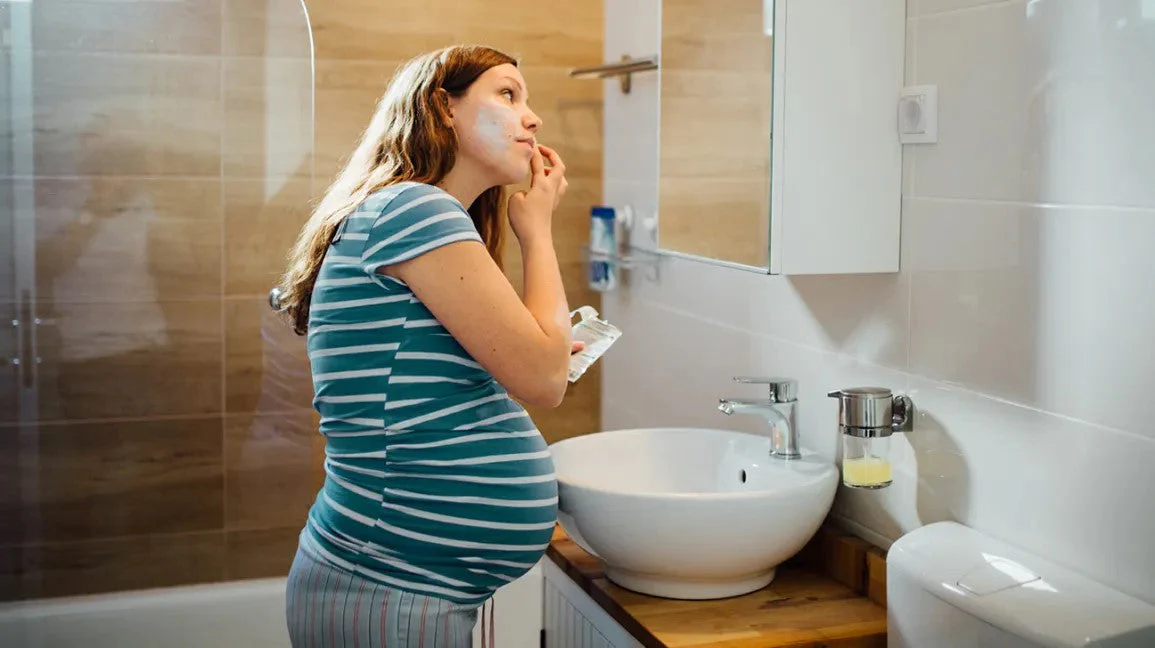
Personal hygiene helps prevent common infections like urinary tract infections (UTIs), yeast infections, bacterial vaginosis, and foodborne illnesses, which are more risky during pregnancy.
Handwashing — This is the single most effective practice. Wash your hands thoroughly with soap and water for at least 20 seconds (or use hand sanitizer with at least 60% alcohol when soap isn't available). Always wash:
Before eating or preparing food
After using the toilet
After handling raw meat, eggs, or unwashed produce
After gardening, touching soil, or changing diapers (if you have other children)
After contact with animals or being outdoors
When returning home or after touching public surfaces
Bathing and Skin Care — Shower daily (or more if you sweat a lot, common in pregnancy) with mild, fragrance-free soap to avoid irritating your skin. Apply moisturizer right after bathing to prevent dryness and stretch marks. Use antibacterial body wash if needed, but stick to gentle products.
Oral Hygiene — Hormonal changes increase the risk of gum disease (pregnancy gingivitis), which can affect overall health and even preterm birth risk. Brush twice daily with fluoride toothpaste, floss daily, and visit your dentist for checkups and cleanings. Rinse with water after vomiting if morning sickness occurs.
Intimate (Vaginal) Hygiene — Increased discharge is normal, but avoid disrupting natural balance:
Wash the vulva (external area) with plain warm water or mild, unscented soap — never douche or use harsh "intimate" products, sprays, powders, or scented pads, as they raise infection risk.
Wear breathable cotton underwear (change daily or more if wet), avoid tight clothing, and opt for reusable or breathable liners if needed.
Change maternity pads frequently postpartum, rinse with warm water after toileting, and pat dry gently.
Nail and Foot Care — Keep nails short and clean to avoid harboring bacteria. Wear comfortable, breathable shoes to prevent fungal infections.
General Tips — Avoid very hot baths, hot tubs, or saunas (overheating risks the baby). Use a non-slip mat in the shower, especially later in pregnancy when balance shifts.
Environmental Hygiene During Pregnancy
Your surroundings can expose you to toxins, pollutants, allergens, or pathogens that cross the placenta or affect your health.
Home Cleanliness — Keep your living space clean and dust-free (vacuum with HEPA filter regularly). Use natural or low-VOC (volatile organic compounds) cleaning products in well-ventilated areas. Wear gloves when cleaning, avoid strong fumes, and never mix chemicals.
Food Safety and Kitchen Hygiene — Follow the four steps: clean, separate, cook, and chill.
Wash fruits, vegetables, and hands thoroughly.
Cook meats, eggs, and seafood to safe temperatures (e.g., no undercooked items).
Avoid unpasteurized dairy, raw/undercooked foods, certain soft cheeses (unless pasteurized), and high-mercury fish.
Use separate cutting boards for raw meats.
Avoiding Toxins and Pollutants — Limit exposure to:
Secondhand smoke (keep home smoke-free).
Harsh chemicals (paints, solvents, pesticides) — let others handle them.
Cat litter (toxoplasmosis risk) — have someone else change it; wear gloves and wash hands if unavoidable.
Lead (old pipes/paint) — test well water if applicable; use certified filters.
Plastics with BPA/phthalates — avoid microwaving plastics; use glass/ceramic for hot foods.
Pest and Insect Control — Use EPA-registered repellents for mosquitoes (Zika risk in some areas). Eliminate standing water to prevent breeding.
Air Quality — Ensure good ventilation, avoid crowded places during illness outbreaks, and stay hydrated.
Additional Practical Tips
Stay up to date with prenatal visits and vaccinations (e.g., flu, Tdap as recommended).
Drink plenty of clean, filtered water.
Get fresh air but avoid polluted areas.
Rest adequately and manage stress — it supports your immune system.
Frequently Asked Questions (FAQs)
Q: How often should I bathe during pregnancy?
A: Daily showers are ideal, especially if you sweat more, but 2–3 times a week with thorough washing is enough for many. Use mild products to avoid dryness.
Q: Can poor hygiene during pregnancy harm my baby?
A: Yes — infections from poor hygiene (e.g., UTIs, foodborne illnesses, or toxoplasmosis) can lead to preterm birth, low birth weight, or developmental issues. Good habits significantly reduce these risks.
Q: Is it safe to use cleaning products at home?
A: Opt for natural, fragrance-free, or low-toxicity ones. Ventilate rooms, wear gloves, and avoid sprays/fumes. Let others handle strong chemicals when possible.
Q: Should I avoid all scented products?
A: Yes for intimate areas — scented soaps, pads, sprays, or bubble baths can irritate and cause infections. Stick to unscented, mild options elsewhere too if sensitive.
Q: Do I need to change my diet for hygiene reasons?
A: Focus on food safety: wash produce, cook thoroughly, avoid raw/unpasteurized items. This prevents infections like listeria, which is more dangerous in pregnancy.
Q: What about pets and hygiene?
A: Avoid changing cat litter (toxoplasmosis). Wash hands after handling pets. Keep reptiles/birds away if possible due to salmonella risk.
Q: Can I still exercise or go out?
A: Yes — fresh air and light activity are great, but practice hand hygiene, avoid sick people, and stay in well-ventilated spaces.
Always consult your healthcare provider for personalized advice, especially if you have specific health conditions. Prioritizing hygiene creates a safer environment for a healthy pregnancy and baby!