Antenatal
Neonatal Sepsis: A Parent’s Guide to Infection in Newborn Babies
June 12, 2026
|
194 views
What Is Neonatal Sepsis?
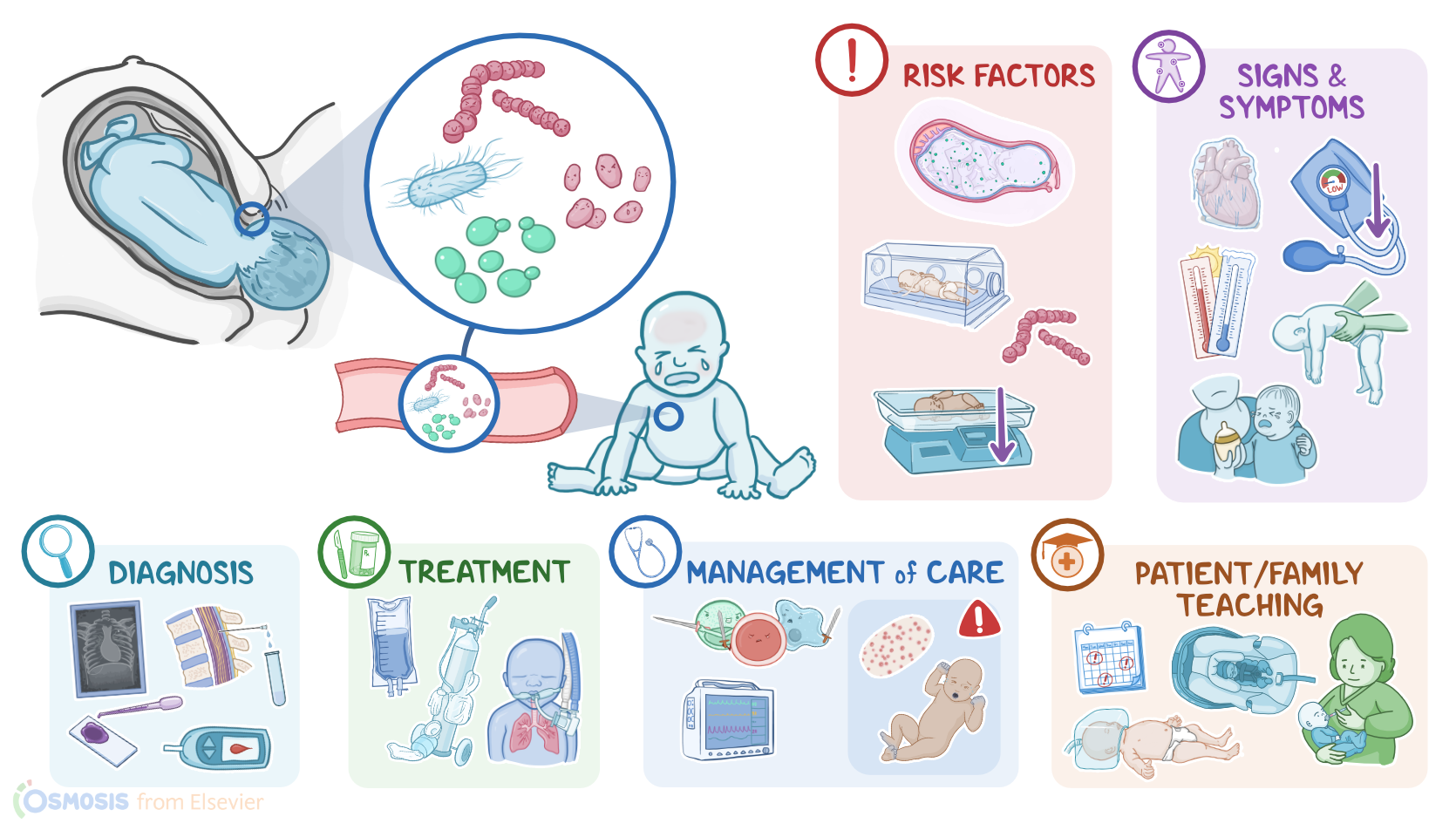
Neonatal sepsis is a serious infection that occurs in a newborn baby, usually within the first 28 days of life. It happens when bacteria, viruses, or fungi enter the baby's bloodstream and spread throughout the body.
Although neonatal sepsis is not extremely common, it remains one of the leading causes of illness and death in newborns worldwide. The good news is that early recognition and prompt medical treatment can save lives and greatly improve outcomes.
Because newborn babies have immature immune systems, they are less able to fight infections than older children and adults. This means infections can become serious very quickly.
Why Are Newborns More Vulnerable?
A newborn's immune system is still developing. During the first weeks of life, babies have a limited ability to recognize and fight germs. Some infections can be passed from the mother during pregnancy, labor, or delivery, while others may be acquired after birth from the environment or from contact with infected individuals.
For this reason, even a mild infection can sometimes progress rapidly in a newborn.
What Causes Neonatal Sepsis?
The most common causes are bacteria, including:
Group B Streptococcus (GBS)
Escherichia coli (E. coli)
Listeria monocytogenes
Staphylococcus species
Klebsiella species
Less commonly, viruses or fungi may cause sepsis, especially in babies with weakened immune systems or those requiring intensive medical care.
Risk Factors for Neonatal Sepsis
Some babies have a higher risk of developing sepsis. Risk factors include:
During Pregnancy or Delivery
Maternal infection during pregnancy
Group B Streptococcus (GBS) colonization in the mother
Premature birth (before 37 weeks)
Prolonged rupture of membranes ("water breaking" for many hours before delivery)
Maternal fever during labor
After Birth
Low birth weight
Admission to a neonatal intensive care unit (NICU)
Use of intravenous lines or other medical devices
Exposure to individuals with infections
Poor hand hygiene around the baby
Warning Signs Parents Should Watch For
Newborns may not show obvious signs of illness. Contact a healthcare professional immediately if your baby develops any of the following:
Changes in Temperature
Fever (temperature above 38°C / 100.4°F)
Unusually low body temperature
Feeding Problems
Refusing feeds
Feeding much less than usual
Vomiting repeatedly
Changes in Behavior
Excessive sleepiness
Difficulty waking up
Weak cry
Reduced movement
Irritability or unusual fussiness
Breathing Problems
Fast breathing
Difficulty breathing
Grunting sounds
Pauses in breathing
Other Signs
Pale, blue, or mottled skin
Jaundice worsening quickly
Seizures
Swollen abdomen
Reduced urine output
Trust your instincts. If your baby seems unusually unwell, seek medical attention promptly.
Why Early Detection Is So Important
Neonatal sepsis can progress rapidly, sometimes within hours. Early treatment significantly reduces the risk of serious complications, including:
Shock
Organ failure
Brain injury
Long-term developmental problems
Death
Prompt medical care greatly improves the chances of a full recovery.
How Is Neonatal Sepsis Diagnosed?
If healthcare providers suspect sepsis, they may perform:
A physical examination
Blood tests
Blood cultures to identify the germ causing the infection
Urine tests
Spinal fluid testing (lumbar puncture) when appropriate
Chest X-rays if breathing problems are present
These tests help determine whether an infection is present and guide treatment decisions.
How Is Neonatal Sepsis Treated
Treatment usually begins immediately, even before test results are available.
Antibiotics
Most babies receive antibiotics through a vein (intravenously). These medicines target the bacteria most likely to be causing the infection.
Supportive Care
Depending on the baby's condition, treatment may also include:
Oxygen support
Intravenous fluids
Feeding support
Temperature regulation
Monitoring in a special care nursery or NICU
Treatment duration depends on the type and severity of the infection.
Are Antibiotics Safe for Newborns?
Yes. The antibiotics used for neonatal sepsis have been carefully studied and are routinely used in newborn care.
Doctors choose medications that are effective and safe for babies. While all medicines can have side effects, the benefits of treating a potentially life-threatening infection far outweigh the risks.
Parents should feel comfortable asking healthcare providers about the medications being used and why they are necessary.
Preventing Neonatal Sepsis
While not every case can be prevented, parents can reduce risk by:
Attending regular antenatal appointments
Following medical advice during pregnancy
Ensuring infections during pregnancy are treated promptly
Practicing good hand hygiene before handling the baby
Limiting exposure to people who are sick
Keeping the baby's environment clean
Breastfeeding when possible, as breast milk provides protective antibodies
Seeking medical advice promptly when a newborn appears unwell
Supporting Your Baby During Treatment and Recovery
If your baby is receiving treatment:
Stay involved in discussions with healthcare providers.
Ask questions if anything is unclear.
Continue providing breast milk if possible.
Practice skin-to-skin contact when permitted.
Follow all follow-up appointments after discharge.
Watch for any recurring symptoms and report concerns promptly.
Most babies who receive early treatment recover completely.
Frequently Asked Questions (FAQ)
What are the earliest signs of neonatal sepsis?
Common early signs include poor feeding, unusual sleepiness, temperature changes, breathing difficulties, irritability, and reduced activity.
When should I call a doctor?
Immediately, if your newborn has a fever, difficulty breathing, refuses feeds, is difficult to wake, appears unusually ill, or if you are concerned for any reason.
Can neonatal sepsis be prevented?
Not entirely, but good prenatal care, infection prevention, hand hygiene, breastfeeding, and early medical attention can reduce the risk.
What is the survival rate?
Survival rates are high when sepsis is recognized and treated early. Outcomes depend on factors such as the baby's age, overall health, and how quickly treatment begins.
Can a healthy-looking baby develop sepsis?
Yes. Some newborns may appear healthy initially and become ill quickly. This is why prompt attention to warning signs is important.
Will my baby need to stay in the hospital?
Many babies require hospitalization for monitoring and intravenous antibiotics. The length of stay varies depending on the severity of the infection.
Are there long-term effects?
Most babies recover fully when treatment is started early. Severe or delayed infections may increase the risk of developmental, hearing, or neurological problems.
Is neonatal sepsis contagious?
The infection itself is not usually spread from one baby to another in normal home settings. However, the germs that cause infections can spread through poor hygiene practices.
Does breastfeeding help?
Yes. Breast milk contains antibodies and other protective factors that help support a baby's immune system and reduce the risk of certain infections.
What should I remember most?
If your newborn seems unwell, trust your instincts and seek medical care immediately. Early treatment saves lives and gives babies the best chance for a full recovery.
Key Takeaway
Neonatal sepsis is a medical emergency, but it is treatable. Knowing the warning signs, practicing good hygiene, attending regular healthcare visits, and seeking prompt medical attention can make a life-saving difference for your newborn.
.jpg)