Antenatal
Indications for Caesarean Section (C-Section)
July 04, 2026
|
207 views
Introduction
A Caesarean section (C-section) is a surgical operation used to deliver a baby through cuts (incisions) made in the mother's abdomen and uterus. It is performed when a normal vaginal delivery may put the mother, baby, or both at risk.
A C-section can be planned (elective) before labor begins or performed as an emergency during labor if unexpected complications develop.
Although a Caesarean section is generally safe, it is still a major surgical procedure. Therefore, it is recommended only when the benefits outweigh the risks.
Learning Objectives
After reading this guide, you should be able to:
Define a Caesarean section.
Understand why a Caesarean section is performed.
Identify the major indications for a Caesarean section.
Distinguish between elective and emergency Caesarean sections.
Understand the risks and benefits of the procedure.
Answer common questions regarding Caesarean delivery.
What is a Caesarean Section?
A Caesarean section is an operation where the doctor delivers the baby through an incision in the mother's lower abdomen and uterus instead of through the birth canal.
The procedure is carried out in an operating theatre under anesthesia. Most women remain awake during the operation with spinal anesthesia, allowing them to see their baby immediately after birth.
Types of Caesarean Section
1. Elective (Planned) Caesarean Section
This is scheduled before labor starts because doctors already know that vaginal delivery may not be safe.
Examples include:
Previous multiple Caesarean sections
Placenta previa
Breech baby with certain risk factors
Maternal request after counseling (where appropriate)
2. Emergency Caesarean Section
This is performed urgently during pregnancy or labor because of sudden complications threatening the life of the mother or baby.
Examples include:
Fetal distress
Umbilical cord prolapse
Uterine rupture
Severe bleeding
Indications for Caesarean Section
An indication is a medical reason for performing a procedure.
The indications for Caesarean section are broadly divided into:
Maternal indications
Fetal indications
Placental indications
Labor-related indications
Multiple pregnancy indications
Other medical indications
A. Maternal Indications
These are conditions affecting the mother.
1. Previous Caesarean Section
A woman who has had one or more previous Caesarean deliveries may require another C-section.
Doctors consider:
Type of previous uterine scar
Number of previous C-sections
Reason for previous surgery
Hospital facilities
Overall pregnancy condition
Some women may safely attempt a vaginal birth after Caesarean (VBAC), while others require repeat surgery.
2. Cephalopelvic Disproportion (CPD)
This occurs when the baby's head is too large to pass safely through the mother's pelvis.
Causes include:
Small maternal pelvis
Large baby (macrosomia)
Abnormal fetal position
Signs include:
Slow labor progress
Failure of the baby's head to descend
Treatment usually involves a Caesarean section.
3. Obstructed Labour
Obstructed labor occurs when labor cannot progress despite strong contractions.
Possible causes include:
CPD
Abnormal fetal position
Pelvic tumors
If untreated, it may lead to:
Uterine rupture
Severe infection
Fetal death
Maternal death
An emergency caesarean section is often necessary.
4. Previous Uterine Surgery
Women who have had surgeries involving the uterus may have weakened uterine walls.
Examples:
Removal of fibroids entering the uterine cavity (myomectomy)
Repair of uterine rupture
Labor may increase the risk of uterine rupture.
5. Severe Maternal Illness
Some maternal illnesses make vaginal delivery dangerous.
Examples include:
Severe heart disease
Severe hypertension
Certain neurological disorders
Severe respiratory disease
A planned Caesarean may be safer.
6. Active Genital Herpes Infection
If the mother has active genital herpes sores during labor, vaginal delivery may infect the baby.
A Caesarean section helps reduce this risk.
7. HIV Infection (Selected Cases)
Most women living with HIV can deliver vaginally if their viral load is well controlled.
However, a Caesarean section may be recommended when:
Viral load is high
Treatment has not been effective
Other obstetric indications exist
B. Fetal Indications
These involve problems affecting the baby.
1. Fetal Distress
Fetal distress means the baby is not receiving enough oxygen.
Signs include:
Abnormal fetal heart rate
Meconium-stained amniotic fluid
Reduced fetal movements
Immediate Caesarean section may save the baby's life.
2. Breech Presentation
Normally, babies are born head first.
A breech baby presents with:
Buttocks first
Feet first
Knees first
Depending on the situation, a Caesarean section may be the safest delivery method.
3. Transverse Lie
The baby lies sideways inside the uterus.
A vaginal delivery is impossible unless the baby's position changes.
Caesarean section is usually required.
4. Large Baby (Macrosomia)
A baby weighing more than 4–4.5 kg may have difficulty passing through the birth canal.
Risks include:
Shoulder dystocia
Birth injury
Prolonged labor
A Caesarean section may be recommended.
5. Congenital Abnormalities
Certain birth defects make vaginal delivery difficult or dangerous.
Examples include:
Hydrocephalus
Large neck masses
Certain spinal defects
C. Placental Indications
1. Placenta Previa
Placenta previa occurs when the placenta covers all or part of the cervix.
Symptoms:
Painless vaginal bleeding
Bleeding during late pregnancy
Vaginal delivery may cause life-threatening bleeding.
Caesarean section is usually required.
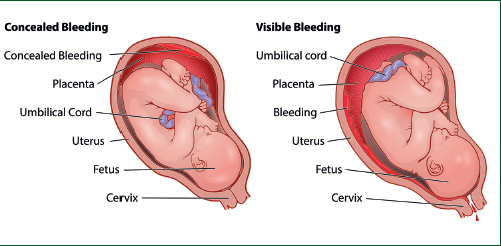
2. Placental Abruption (Severe Cases)
The placenta separates from the uterus before birth.
Symptoms include:
Heavy bleeding
Severe abdominal pain
Fetal distress
An emergency Caesarean may be needed.
3. Placenta Accreta Spectrum
The placenta grows too deeply into the uterine wall.
It can cause:
Massive bleeding
Difficult placental removal
Delivery is usually by planned Caesarean section in a specialist hospital.
D. Labour-Related Indications
1. Failure to Progress in Labour
Labor progresses very slowly or stops completely.
Possible reasons:
Weak contractions
CPD
Malposition
If labor fails despite treatment, a Caesarean section becomes necessary.
2. Failed Induction of Labour
Labor induction may fail despite medications and other methods.
If delivery is still needed, a Caesarean section is performed.
3. Umbilical Cord Prolapse
The umbilical cord slips through the cervix before the baby
This compresses the cord and reduces the oxygen supply.
An emergency caesarean section is required immediately.
4. Uterine Rupture
The uterus tears during labor.
Signs include:
Severe abdominal pain
Heavy bleeding
Loss of fetal heartbeat
Maternal shock
This is an obstetric emergency requiring immediate surgery.
E. Multiple Pregnancy
Twins or triplets sometimes require Caesarean delivery.
Common reasons include:
The first twin is breech
Triplets or higher-order pregnancies
Fetal distress
Placenta previa
Some twin pregnancies can still be delivered vaginally, depending on the situation.
F. Medical Conditions During Pregnancy
Examples include:
Severe Preeclampsia
Dangerously high blood pressure may require immediate delivery.
Eclampsia
Convulsions during pregnancy often require urgent delivery.
Diabetes with Large Baby
Poorly controlled diabetes may lead to fetal macrosomia.
Certain Cancers
Some cancers affecting the cervix or pelvis may make vaginal birth unsafe.
Absolute vs Relative Indications
Absolute Indications
These almost always require a Caesarean section.
Examples:
Complete placenta previa
Transverse lie
Umbilical cord prolapse
Uterine rupture
Severe fetal distress
Obstructed labor
Relative Indications
The decision depends on the mother's and baby's condition.
Examples:
Previous Caesarean section
Breech presentation
Large baby
Twin pregnancy
Maternal request after informed counseling (where appropriate)
Benefits of Caesarean Section
Saves the life of the mother and baby in emergencies.
Prevents complications during difficult labor.
Reduces the risk of birth injuries in selected cases.
Can lower the risk of infection transmission in certain situations (such as active genital herpes).
Allows planned delivery when vaginal birth is unsafe.
Possible Risks
Although generally safe, a Caesarean section has potential risks.
Maternal Risks
Bleeding
Infection
Blood clots
Injury to nearby organs (such as the bladder or bowel)
Reactions to anesthesia
Longer recovery than vaginal birth
Baby Risks
Breathing difficulties, especially if delivered before labor begins
Minor surgical cuts (rare)
Temporary adaptation problems after birth
Preparing for a Caesarean Section
The healthcare team may:
Review the mother's medical history.
Perform blood tests.
Check the baby's condition.
Explain the procedure and obtain informed consent.
Ask the mother not to eat or drink for several hours before surgery (if planned).
Administer antibiotics and medications when appropriate.
Prepare the surgical site.
Recovery After Caesarean Section
Recovery usually involves:
Pain relief medications.
Early walking to reduce the risk of blood clots.
Keeping the incision clean and dry.
Avoid heavy lifting for several weeks.
Attending follow-up appointments.
Monitoring for signs of infection, such as fever, increasing pain, redness, swelling, or discharge from the wound.
Most women recover well with proper care and support.
Key Points to Remember
A Caesarean section is a surgical method of delivering a baby.
It is performed only when it is safer than vaginal delivery.
Indications may involve the mother, baby, placenta, or labor process.
Some Caesarean sections are planned, while others are emergencies.
Early recognition of complications improves outcomes for both mother and baby.
Every decision should be individualized based on clinical assessment.
Frequently Asked Questions (FAQs)
1. Is a Caesarean section always safer than vaginal delivery?
No. Vaginal delivery is generally safer for uncomplicated pregnancies. A Caesarean section is recommended only when it offers a better outcome for the mother, the baby, or both.
2. Can a woman have a normal delivery after one Caesarean section?
Yes. Many women may be candidates for a vaginal birth after Caesarean (VBAC), depending on the type of uterine scar, the reason for the previous Caesarean, and the facilities available to manage labor safely.
3. How long does a Caesarean section take?
The operation usually takes about 45–60 minutes, although the baby is often delivered within the first 5–10 minutes after the surgery begins.
4. Will I be awake during the operation?
In most cases, yes. Spinal or epidural anesthesia is commonly used, allowing the mother to remain awake without feeling pain. General anesthesia may be used in some emergencies.
5. How long will I stay in the hospital?
Most women stay in the hospital for 2–4 days, depending on their recovery and whether there are any complications.
6. How long does it take to recover?
Initial recovery usually takes 4–6 weeks, though some women may recover sooner or need more time depending on their overall health and any complications.
7. Can I breastfeed after a Caesarean section?
Yes. Breastfeeding can usually begin soon after delivery, once the mother and baby are stable. Nurses and midwives can help with comfortable breastfeeding positions after surgery.
8. Can I have more children after a Caesarean section?
Yes. Many women go on to have healthy pregnancies after a Caesarean section. However, multiple Caesarean deliveries can increase the risk of complications in future pregnancies, so regular antenatal care is important.
9. What are the warning signs after going home?
Seek medical attention immediately if you experience:
Heavy vaginal bleeding
Fever or chills
Severe abdominal pain
Redness, swelling, or discharge from the incision
Difficulty breathing or chest pain
Painful swelling in one leg
Foul-smelling vaginal discharge
10. Can a Caesarean section be prevented?
Not all Caesarean sections can be prevented. Good antenatal care, managing medical conditions, maintaining a healthy pregnancy, and monitoring labor appropriately can reduce the need for some emergency Caesarean sections, but many are necessary to protect the health of the mother and baby.
.jpg)