Antenatal
Labour and Delivery: Minor and Major Signs
June 26, 2026
|
223 views
Introduction
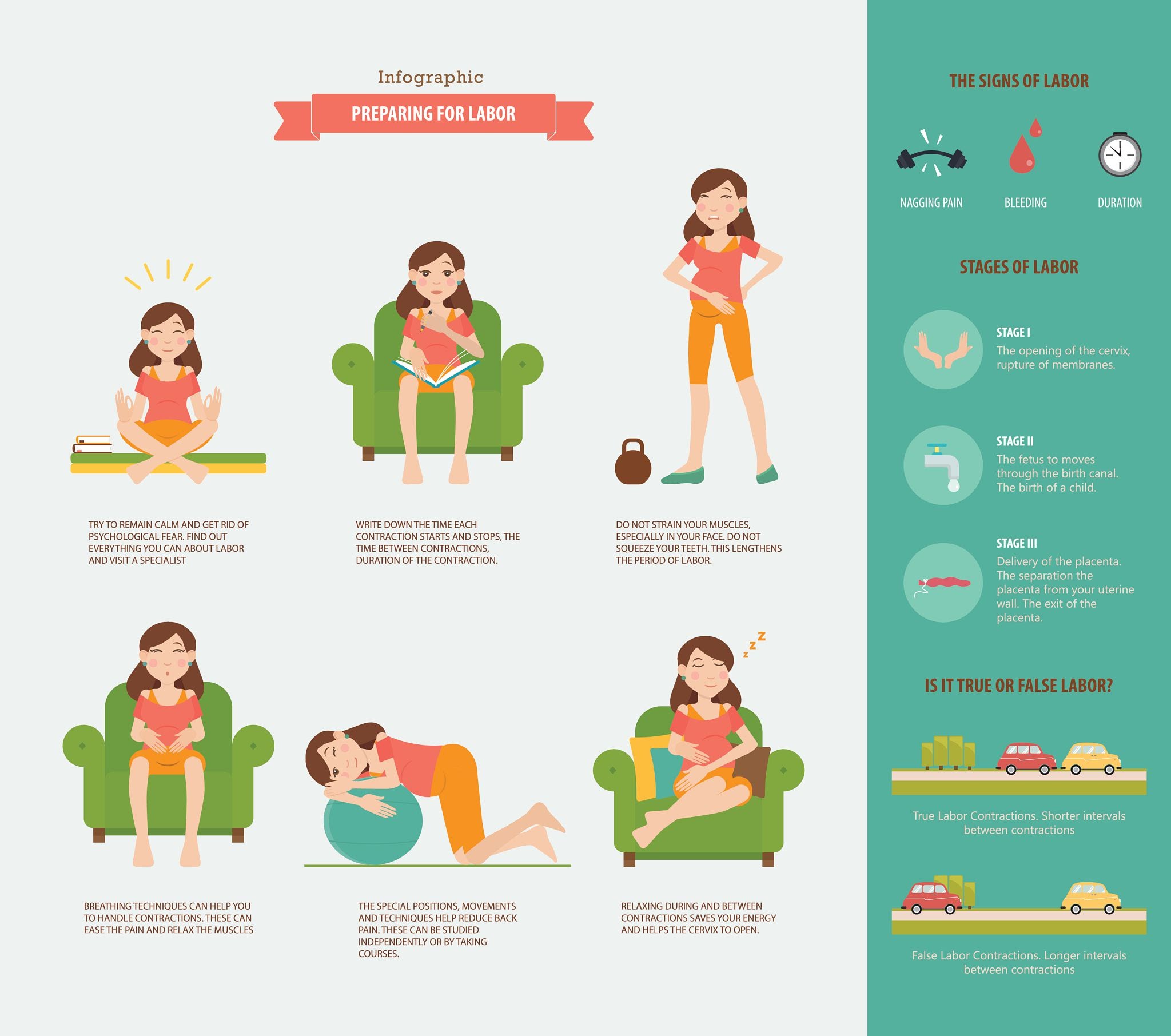
Labour and delivery are natural physiological processes through which a baby, placenta, and fetal membranes are expelled from the uterus. Labour usually occurs between 37 and 42 weeks of pregnancy and involves coordinated uterine contractions, cervical dilation, and descent of the baby through the birth canal.
Recognizing the signs of labour is essential for pregnant women, families, and healthcare providers to ensure timely medical care and safe delivery. Some signs appear days or weeks before labour begins (minor signs), while others indicate that labour has truly started (major signs).
Learning Objectives
By the end of this topic, readers should be able to:
Define labour and delivery.
Explain the stages of labour.
Identify the minor (pre-labour) signs.
Recognize the major (true labour) signs.
Differentiate between true and false labour.
Understand when to seek medical attention.
Describe the management of labour.
Recognize possible complications.
Definition of Labour
Labour is the process of regular uterine contractions that result in progressive cervical dilation and effacement, allowing the fetus and placenta to be delivered.
Definition of Delivery
Delivery refers to the birth of the baby, followed by the expulsion of the placenta and membranes.
Types of Labour
1. Spontaneous Labour
Labour begins naturally without medical intervention.
2. Induced Labour
Labour is started artificially using medications or medical procedures.
3. Augmented Labour
Labour has already begun but requires assistance to strengthen contractions.
Physiology of Labour
Labour begins due to several hormonal and mechanical changes:
Increased oxytocin secretion
Increased prostaglandin production
Softening and ripening of the cervix
Increased uterine sensitivity
Baby descending into the pelvis
Minor Signs of Labour (Pre-Labour Signs)
Minor signs usually appear days or weeks before true labour.
1. Lightning
The baby's head moves downward into the pelvis.
Signs include:
Easier breathing
Increased pelvic pressure
Frequent urination
Lower abdominal appearance
2. Nesting Instinct
Many women experience a sudden increase in energy and a strong desire to clean or prepare for the baby's arrival.
3. Cervical Softening
The cervix gradually softens and begins to thin (effacement).
Usually detected during antenatal examination.
4. Loss of the Mucus Plug (Show)
A thick mucus plug that seals the cervix during pregnancy is expelled.
Characteristics:
Pink
Brown
Blood-stained mucus
Labour may begin within hours or several days.
5. Mild Irregular Contractions (Braxton Hicks)
These are practice contractions.
Characteristics:
Irregular
Mild discomfort
Do not increase in strength
Stop for rest or hydration
6. Backache
Persistent lower back pain caused by pressure on pelvic structures.
7. Pelvic Pressure
The baby presses on the pelvic muscles, causing:
Walking discomfort
Vaginal heaviness
Pressure in the lower abdomen
8. Loose Stools
Hormonal changes may increase bowel movements as the body prepares for labour.
9. Weight Loss
Some women lose 1–3 pounds (0.5–1.5 kg) due to hormonal changes and fluid loss before labour.
10. Emotional Changes
Women may experience:
Excitement
Anxiety
Mood swings
Restlessness
Major Signs of Labour (True Labour)
Major signs indicate that labour has begun and delivery is approaching.
1. Regular Uterine Contractions
This is the most important sign of true labour.
Characteristics:
Regular intervals
Become stronger
Become longer
Become closer together
Do not stop with rest
Example:
Initially, every 20 minutes, progressing to every 5 minutes.
2. Progressive Cervical Dilatation
The cervix opens from 0 cm to 10 cm.
This is confirmed during vaginal examination.
3. Cervical Effacement
The cervix becomes thinner before full dilation.
Measured as a percentage:
0%
50%
100%
4. Rupture of Membranes (Water Breaking)
The amniotic sac breaks, releasing fluid.
Fluid should normally be:
Clear
Colourless
Odourless
Seek immediate medical care if the fluid is:
Green
Brown
Bloody
Foul-smelling
5. Bloody Show
Small amounts of blood mixed with mucus indicate cervical dilation.
6. Descent of the Baby
The baby's head moves downward through the birth canal.
Healthcare providers assess this by fetal station.
True Labour vs False Labour
True Labour False Labour
Regular contractions Irregular contractions
Increase in intensity No increase in strength
Cervix dilates . No cervical change
Pain increases Pain often decreases
Continues despite walking. Often stops for rest
Results in birth do not lead to delivery
Stages of Labour
First Stage
Begins with true labour and ends when the cervix reaches 10 cm.
Latent Phase
Cervix: 0–6 cm
Mild contractions
Can last several hours
Active Phase
Cervix: 6–10 cm
Strong contractions
Rapid cervical dilation
Second Stage
Begins at full cervical dilation and ends with the birth of the baby.
Mother pushes during contractions.
Duration:
First baby: 1–3 hours
Subsequent births: Often shorter
Third Stage
Begins after the birth of the baby and ends with the delivery of the placenta.
Usually lasts 5–30 minutes.
Fourth Stage
The first 1–2 hours after placenta delivery.
Healthcare providers monitor
Bleeding
Blood pressure
Pulse
Uterine contraction
Mother's recovery
Management of Labour
Healthcare providers should:
Monitor maternal vital signs.
Assess fetal heart rate regularly.
Observe contractions.
Check cervical progress.
Encourage hydration.
Provide pain relief when appropriate.
Maintain hygiene and infection prevention.
Offer emotional support.
Pain Relief During Labour
Non-Medical Methods
Breathing exercises
Walking
Massage
Warm showers
Relaxation techniques
Position changes
Medical Methods
Epidural analgesia
Nitrous oxide (laughing gas)
Opioid medications
Local anesthesia (when indicated)
Warning Signs Requiring Immediate Medical Attention
Seek urgent medical care if any of the following occur:
Heavy vaginal bleeding
Severe abdominal pain
Reduced fetal movements
Green or foul-smelling amniotic fluid
Severe headache with blurred vision
Convulsions
High fever
Umbilical cord prolapse
Labour before 37 weeks
Labour lasting unusually long
Possible Complications of Labour
Maternal complications:
Prolonged labour
Postpartum hemorrhage
Infection
Uterine rupture
Birth canal injuries
Fetal complications:
Fetal distress
Birth asphyxia
Meconium aspiration
Umbilical cord prolapse
Shoulder dystocia
Preparation for Labour
Before labour begins, pregnant women should:
Attend regular antenatal visits.
Pack a hospital bag.
Arrange transportation.
Know the location of the delivery facility.
Keep emergency contact numbers available.
Learn breathing and relaxation techniques.
Discuss a birth plan with their healthcare provider.
Health Education for Pregnant Women
Pregnant women should be encouraged to:
Eat a balanced diet.
Stay physically active as advised.
Drink enough fluids.
Avoid smoking, alcohol, and harmful drugs.
Get adequate rest.
Recognize the signs of labour.
Seek prompt medical care when labour starts or if warning signs occur.
Key Points
Labour is the natural process leading to the birth of a baby.
Minor signs often appear days or weeks before labour.
Major signs indicate that true labour has begun.
Regular contractions, cervical dilation, and rupture of membranes are the main signs of true labour.
Labour occurs in four stages.
Early recognition of labour and timely medical care improve outcomes for both mother and baby.
Frequently Asked Questions (FAQs)
1. What is the difference between true labour and false labour?
True labour involves regular, increasingly strong contractions that cause the cervix to dilate. False labour (Braxton Hicks contractions) is irregular, usually less painful, and does not result in cervical changes.
2. What is the "show" during pregnancy?
The "show" is the discharge of the mucus plug from the cervix. It is often pink, brown, or blood-stained and indicates that the cervix is beginning to prepare for labour.
3. What does "water breaking" mean?
Water breaking refers to the rupture of the amniotic sac, causing amniotic fluid to leak or gush from the vagina. It is a major sign that labour may be starting or progressing.
4. When should I go to the hospital?
Go to the hospital if you have regular contractions, your water breaks, you experience heavy vaginal bleeding, notice reduced fetal movement, or have severe pain or other concerning symptoms.
5. How long does labour usually last?
Labour varies from person to person. For a first pregnancy, labour often lasts 12–18 hours, while subsequent labours are usually shorter.
6. Can labour start without the water breaking?
Yes. Many women begin labour with regular contractions before their membranes rupture. In some cases, healthcare providers may artificially rupture the membranes during labour if appropriate.
7. What should I pack in my hospital bag?
Essentials include identification, antenatal records, comfortable clothing, toiletries, sanitary pads, baby clothes, diapers, blankets, feeding supplies if needed, and any prescribed medications.
8. Is back pain a sign of labour?
Yes. Persistent lower back pain, especially when accompanied by regular contractions, can be a sign of labour. However, back pain alone may also occur during pregnancy for other reasons.
9. What happens after the baby is born?
After the baby is delivered, the placenta is expelled (third stage of labour), and the mother is closely monitored for bleeding, uterine contraction, and overall recovery during the fourth stage of labour.
10. Can I eat or drink during labour?
This depends on your healthcare provider's recommendations and the stage of labour. Clear fluids are often allowed in uncomplicated labour, but individual guidance may vary, especially if a cesarean birth becomes likely.
.jpg)