Antenatal
Importance of Immunization (Vaccination) During Pregnancy
March 06, 2026
|
120 views
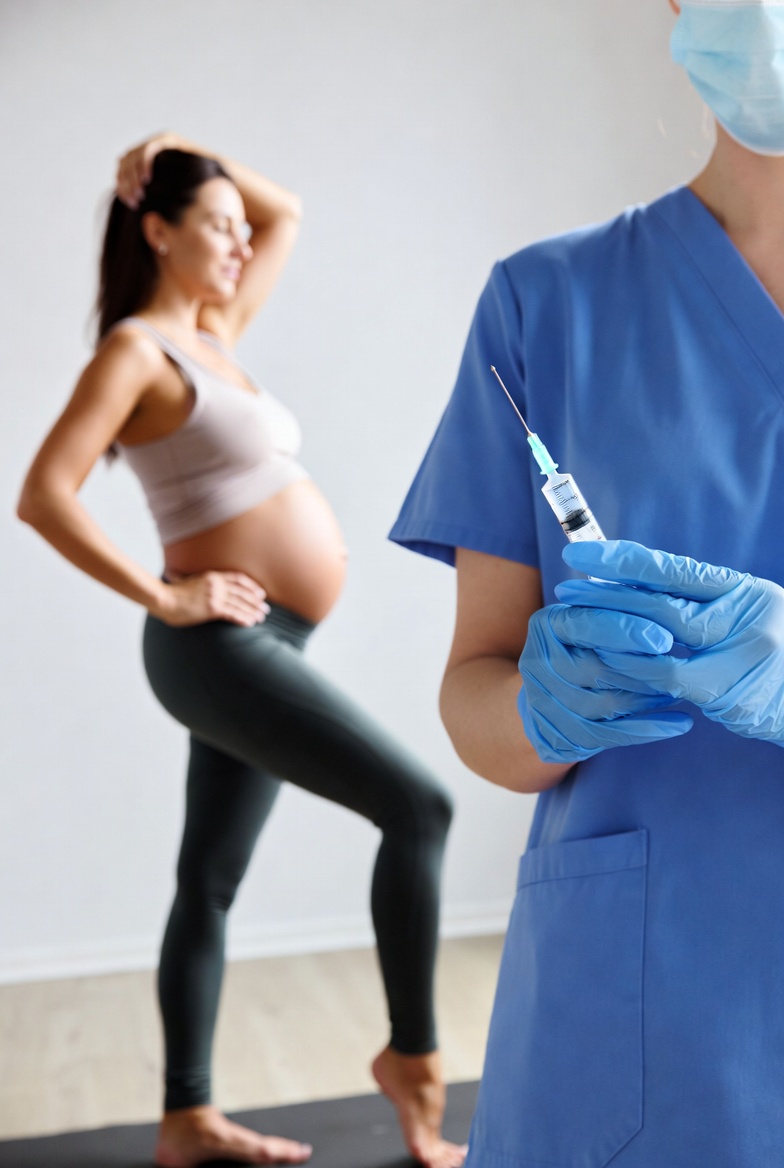
Immunization, or vaccination, is one of the most effective ways to protect health—especially during pregnancy. It safeguards both the expectant mother and the newborn from serious, potentially life-threatening vaccine-preventable diseases. According to major health authorities like the Centers for Disease Control and Prevention (CDC), World Health Organization (WHO), American College of Obstetricians and Gynecologists (ACOG), and Nigeria's Nigeria Centre for Disease Control and Prevention (NCDC), maternal immunization provides a dual benefit: direct protection for the pregnant woman (who may face higher risks from infections due to immune and physical changes) and passive immunity for the baby via antibodies that cross the placenta.
In pregnancy, the immune system is naturally adjusted to tolerate the fetus, which can make women more vulnerable to severe complications from infections like flu, whooping cough (pertussis), or respiratory illnesses. Vaccines help prevent these, reduce hospitalization risks, and lower chances of preterm birth or other complications.
Key Benefits of Immunization During Pregnancy
Protects the Mother
Pregnancy increases risks for severe illness from diseases like influenza (flu), COVID-19, and pertussis due to changes in lung capacity, blood volume, and immune response. Vaccination reduces infection severity, prevents complications (e.g., pneumonia), and supports overall maternal health.
Protects the Newborn (Passive Immunity)
Antibodies produced by the vaccinated mother pass through the placenta (especially in the third trimester) and provide the baby with protection in the first months of life—when infants are too young for their own vaccines and most vulnerable. This is crucial for diseases like pertussis, which can be fatal in newborns under 3 months.
Reduces Disease Transmission
Vaccinated mothers are less likely to pass infections to the baby during birth or early infancy.
Broader Public Health Impact
High maternal vaccination rates contribute to herd immunity, protecting communities (especially in areas with outbreaks, like parts of Nigeria).
Evidence from CDC, ACOG, and studies shows maternal vaccines are safe, effective, and have prevented countless hospitalizations and deaths.
Recommended Vaccines During Pregnancy
Guidelines emphasize certain vaccines for every pregnancy (in low-risk cases; always consult your doctor):
Influenza (Flu) Vaccine (inactivated shot): Recommended any trimester, ideally as soon as available each season. Protects against severe flu complications.
Tdap (Tetanus, Diphtheria, Pertussis/Whooping Cough): Ideally between 27–36 weeks (third trimester) to maximize antibody transfer to the baby. Protects against whooping cough, which is deadly for newborns.
COVID-19 Vaccine: Strongly recommended (including boosters) to protect against severe illness.
RSV Vaccine (in some guidelines, e.g., newer ones): For protection against respiratory syncytial virus in infants.
Other vaccines (e.g., Hepatitis B if at risk) may be given based on individual factors. Live vaccines (e.g., MMR, varicella) are usually avoided during pregnancy but safe before or after.
In Nigeria, routine childhood immunization (via NCDC/NPHCDA) includes vaccines like BCG, polio, pentavalent (DPT, Hep B, Hib), and yellow fever (from 9 months), but pregnant women should discuss maternal-specific ones (flu, Tdap) with antenatal care providers. Yellow fever vaccine is contraindicated in pregnancy except in emergencies.
Tips for Safe Immunization
Discuss your vaccination history at every prenatal visit—your doctor will assess needs.
Get vaccines at antenatal clinics or health centers (often free or low-cost in Nigeria).
Side effects are usually mild (e.g., sore arm, low-grade fever); serious reactions are rare.
Stay up-to-date on routine adult vaccines before pregnancy.
If traveling or in outbreak areas, check additional needs (e.g., yellow fever in endemic zones).
Breastfeeding is safe and encouraged after vaccination—antibodies can pass via breast milk.
FAQs
1. Are vaccines safe during pregnancy?
Yes—recommended ones (flu, Tdap, COVID-19) are extensively studied and safe. They do not cause miscarriage, birth defects, or autism. Benefits far outweigh rare risks.
2. Can vaccines cause harm to the baby?
No evidence supports this for inactivated vaccines. They protect the baby through antibodies.
3. What if I miss a vaccine during pregnancy?
You can still get it postpartum. For Tdap, postpartum vaccination protects the mother but transfers fewer antibodies to the baby—third-trimester timing is ideal.
4. Is it okay to get multiple vaccines at once?
Yes, if recommended—e.g., flu and Tdap can be given together.
5. What about myths like vaccines causing infertility or autism?
These are debunked by extensive research (e.g., WHO, CDC). Vaccines save lives and prevent diseases.
6. In Nigeria, where can I get these vaccines?
Antenatal clinics, primary health centers, or hospitals offer routine maternal vaccines. NCDC recommends full immunization; check local outbreaks (e.g., diphtheria, yellow fever).
7. Should I vaccinate if I have a high-risk pregnancy?
Consult your obstetrician—most recommendations apply, but personalized advice is key.
Immunization is a simple, powerful step for a healthier pregnancy and baby. Always talk to your healthcare provider for tailored guidance. Stay protected—vaccines are a gift to both you and your child!