Antenatal
Anemia in Pregnancy and Routine Drug Use
February 13, 2026
|
122 views
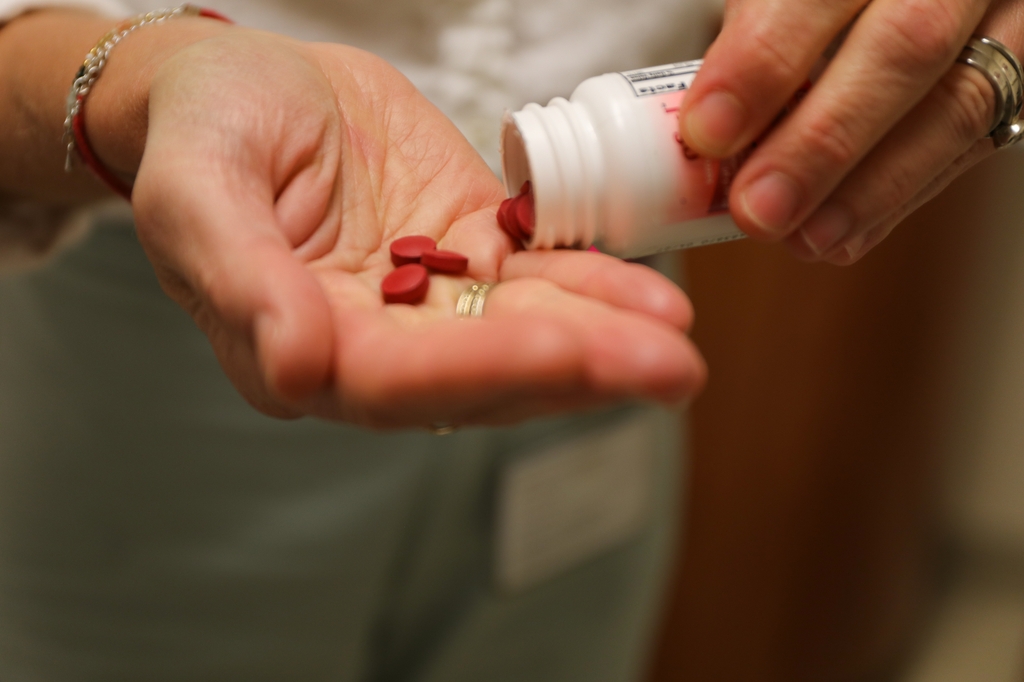
At the same time, many pregnant women take routine medications such as iron, folic acid, calcium, or drugs for existing medical conditions. Understanding anemia and the safe use of routine drugs during pregnancy is essential for both mother and baby.
Anemia in Pregnancy
What Is Anemia?
Anemia happens when the body does not have enough healthy red blood cells or hemoglobin to carry oxygen properly. In pregnancy, anemia is usually diagnosed when hemoglobin levels fall below normal pregnancy ranges.
The most common type is iron deficiency anemia.
Causes of Anemia in Pregnancy
Iron deficiency – The most common cause. The body needs more iron to support increased blood volume and fetal growth.
Folate deficiency – Folate is essential for red blood cell formation.
Vitamin B12 deficiency
Blood loss – From previous heavy periods or bleeding during pregnancy.
Chronic diseases – Such as kidney disease or infections.
Symptoms
Some women have no symptoms. Others may experience:
Fatigue and weakness
Dizziness
Pale skin
Shortness of breath
Rapid heartbeat
Headaches
Severe anemia may increase the risk of:
Preterm delivery
Low birth weight
Postpartum hemorrhage
Maternal complications
Diagnosis
Doctors diagnose anemia through routine blood tests during antenatal visits. Hemoglobin and hematocrit levels are measured. Additional tests may check iron levels or vitamin deficiencies.
Treatment
Treatment depends on the cause.
1. Iron Supplements
Most common treatment. Usually given as oral iron tablets.
Example: Ferrous sulfate tablets taken once or twice daily.
2. Folic Acid
Often prescribed to prevent neural tube defects and support red blood cell production.
3. Vitamin B12 Supplements
Given if deficiency is confirmed.
4. Severe Cases
May require intravenous iron therapy or, rarely, blood transfusion.
Diet for Preventing Anemia
Include iron-rich foods:
Red meat
Liver (in moderate amounts)
Green leafy vegetables
Beans and lentils
Fortified cereals
Vitamin C (like oranges or lemons) helps iron absorption. Tea and coffee reduce iron absorption if taken with meals.
Routine Drug Use in Pregnancy
Pregnancy does not mean stopping all medications. However, drug safety must be carefully considered because some drugs can affect fetal development.
Always consult a healthcare provider before taking any medication.
Common Routine Drugs in Pregnancy
1. Iron Supplements
Almost all pregnant women are prescribed iron.
2. Folic Acid
Usually started before conception and continued in early pregnancy.
3. Calcium Supplements
Help support bone development of the baby and prevent maternal bone loss.
4. Multivitamins
Special prenatal vitamins contain safe and necessary doses.
5. Medications for Chronic Conditions
Some women may need continued treatment for:
Hypertension
Diabetes
Thyroid disorders
Asthma
These medications are adjusted to safer alternatives if necessary.
Drugs to Avoid During Pregnancy
Some drugs can cause birth defects or pregnancy complications. Examples include:
Certain acne medications
Some anti-seizure drugs
Warfarin
Certain antibiotics
Never self-medicate.
Tips for Managing Anemia and Safe Drug Use
Attend all antenatal appointments.
Take iron supplements as prescribed. Do not skip doses.
Take iron on an empty stomach if possible for better absorption.
Avoid tea or coffee within one hour of taking iron.
Eat balanced meals rich in iron and vitamins.
Inform your doctor about all medications and herbal products you use.
Do not stop prescribed medication without medical advice.
Report side effects like severe constipation or vomiting.
Frequently Asked Questions (FAQs)
1. Is anemia common during pregnancy?
Yes. It is very common, especially iron deficiency anemia.
2. Can anemia harm my baby?
Mild anemia usually does not cause harm if treated. Severe untreated anemia can increase risks such as preterm birth.
3. Are iron tablets safe?
Yes, when prescribed. They are routine and necessary for many pregnant women.
4. Why do iron tablets cause constipation?
Iron can slow bowel movement. Drinking water, eating fiber, and mild activity can help.
5. Can I take herbal medicines during pregnancy?
Only if approved by your doctor. Some herbs are unsafe.
6. Should I stop my regular medications when pregnant?
No. Always consult your healthcare provider before stopping or changing any medication.
7. How long should I take iron supplements?
Usually throughout pregnancy and sometimes after delivery, depending on hemoglobin levels.
Conclusion
Anemia in pregnancy is common but manageable with proper care. Routine medications like iron, folic acid, and calcium are essential for a healthy pregnancy when taken correctly. The key is regular medical supervision, good nutrition, and avoiding self-medication.